This post is for informational purposes only and is not medical advice. Always consult a qualified healthcare provider about your symptoms and treatment options.
Fibroids are actually very common during perimenopause, but what nobody tells you is how much they can impact your body—and how easy it is to normalize it.
Meet Candy: Fibroids During Perimenopause (The Cantaloupe Living in My Uterus)
I want to tell you about Candy.
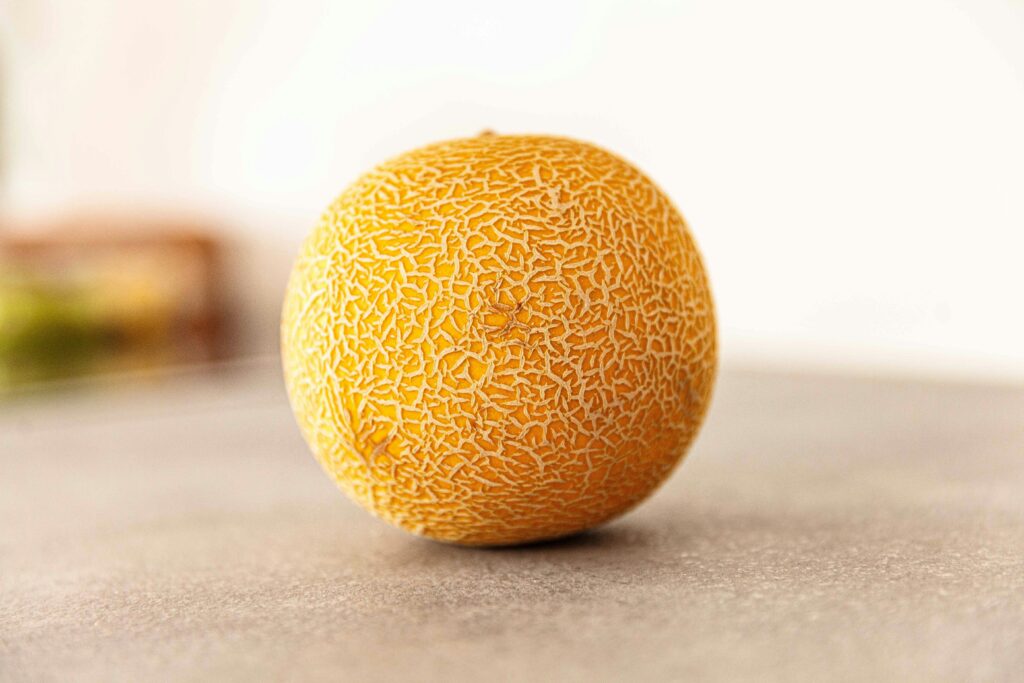
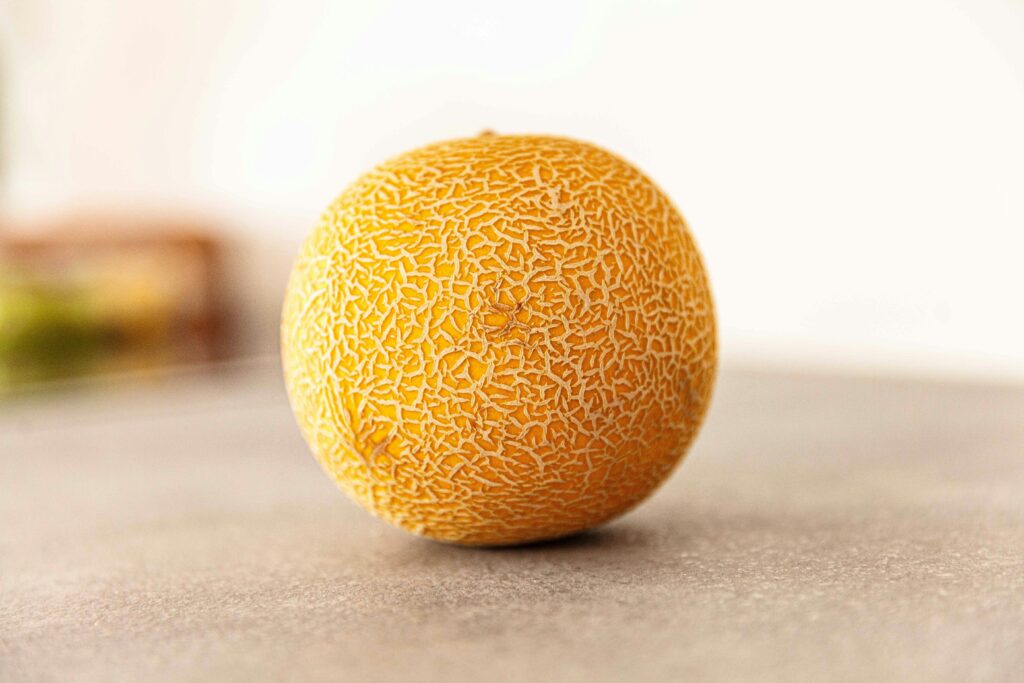
Candy was a fibroid tumor and she lived in my uterus for years. She was, at her peak, 13 by 15 centimeters . . . roughly the size of a cantaloupe, and for a significant portion of that time, I had completely forgotten she existed.
That’s not a joke. That’s the part of this story that still makes me angry.
Quick Answer: Fibroids and Perimenopause
- Fibroids are non-cancerous tumors that can grow in or around the uterus
- They often grow due to hormone fluctuations during perimenopause
- Large fibroids can cause pressure, bloating, and bladder or bowel symptoms
- “Watching it” is common, but not always the best long-term plan
The “Watching It” Phase (Also Known as Doing Nothing)
My doctor found Candy during a routine gyn visit and told me she was going to “watch” her. No big deal, lots of people get them.
It made sense, and it didn’t make me worry. It sounded . . . medically responsible, like something a doctor who had everything under control would say.
So I trusted it.
For several years, I’d go in, she’d mention that Candy was maybe a little bigger. Nothing shocking, nothing I got the notion to worry about. Again, seemed like no biggie, since lots of people get them.
I got so comfortable with the watching that at some point I genuinely forgot Candy was there.
When “Significant” Finally Meant Something
Then last year my doctor looked up from down at my feet and said, almost to herself, very casually:
“Oh, that’s significant.”
I asked what that meant.
She said the fibroid had grown some, and maybe it was a good time for an ultrasound.
“What does significant mean?” I asked.
She couldn’t really say.
The Cantaloupe in the Room
The results came in via a phone call while my family and I were at a steakhouse just about to order.
Thirteen by fifteen centimeters.
It wasn’t until I got home and converted that into inches, something I could actually picture, that I understood.
That’s when I really met Candy.
The Moment I Stopped Trusting the Process
When I went back to my doctor and made clear I wanted to do something about this, she told me:
“After menopause, it should shrink.”
Should?
How much? She didn’t know.
How long will it continue to grow? She wasn’t sure.
How long will it take to shrink? Couldn’t say.
She wasn’t moved at all by the fact that I could feel this thing through my abdomen, and I realized I could actually see it, too.
She mentioned some fibroid clinics in Boston . . . vaguely. No names, no referrals . . . Just a gesture in the direction of a city.
And that was it.
What Happened When I Took Over
I called those clinics.
Six-month wait. Minimum.
I sat with that for about one minute before deciding:
Doctors don’t know everything.
Geography is not destiny.
And I was going to find someone myself.
The Part Where Everything Changed
I found a highly qualified doctor in Rhode Island, and he saw me in less than two weeks.
He reviewed everything, asked a few questions, and then said:
He could remove Candy.
I cried. Right there in his office. Not full on sobbing tears, but I had to wipe away the pools that had formed in each eye and grab a tissue from his desk to dry my nose. I had no idea how much this was impacting me and the relief those words provided came in a rush.
Life After Candy
The surgery was life-changing. (More on hysterectomies in a later post!)
I stopped reaching down to feel that hard spot.
I stopped blaming myself for pants that didn’t fit.
I stopped being casually monitored . . . and started being helped.
What Candy Taught Me
- “We’re watching it” is not the same as “we’re handling it”
- You are allowed to be angry when your concerns are minimized
- Doing your own research is not ignoring medical advice, it’s advocating for yourself
- Sometimes the most powerful thing you can do is find a different doctor
- Your body deserves to be taken seriously
What Candy Was Actually Doing to My Body (That Nobody Connected)
Here’s the thing about having a cantaloupe living in your uterus for years:
You get used to a baseline of feeling, and you stop questioning it.
The bowel issues, the pressure, he discomfort I thought was normal is either all gone, or significantly better.
The bladder symptoms I thought were something else? Also connected, and the bloating, the back pain, the “maybe it’s menopause” explanations . . . All of it — Candy!
If You’re in the “Watching It” Phase
Ask questions, get dimensions, convert the measurements, and understand what “significant” actually means.
You don’t have to wait, accept vague answers, or pretend something feels fine when it doesn’t.
A Different Way to Think About Women’s Health
My daughter sees this differently than I did growing up. She believes we should use every resource available, that we deserve answers, and that we don’t have to suffer to prove something is wrong.
I grew up thinking the opposite . . . That if it wasn’t catastrophic, you dealt with it quietly. Bologna!
Final Thoughts
If something feels off—trust that, do the math, ask the questions, and push for answers because your body deserves that.
Start Here
👉 Get your Free Power Surge Symptom Tracker
Track symptoms, spot patterns, and walk into your next appointment prepared.